
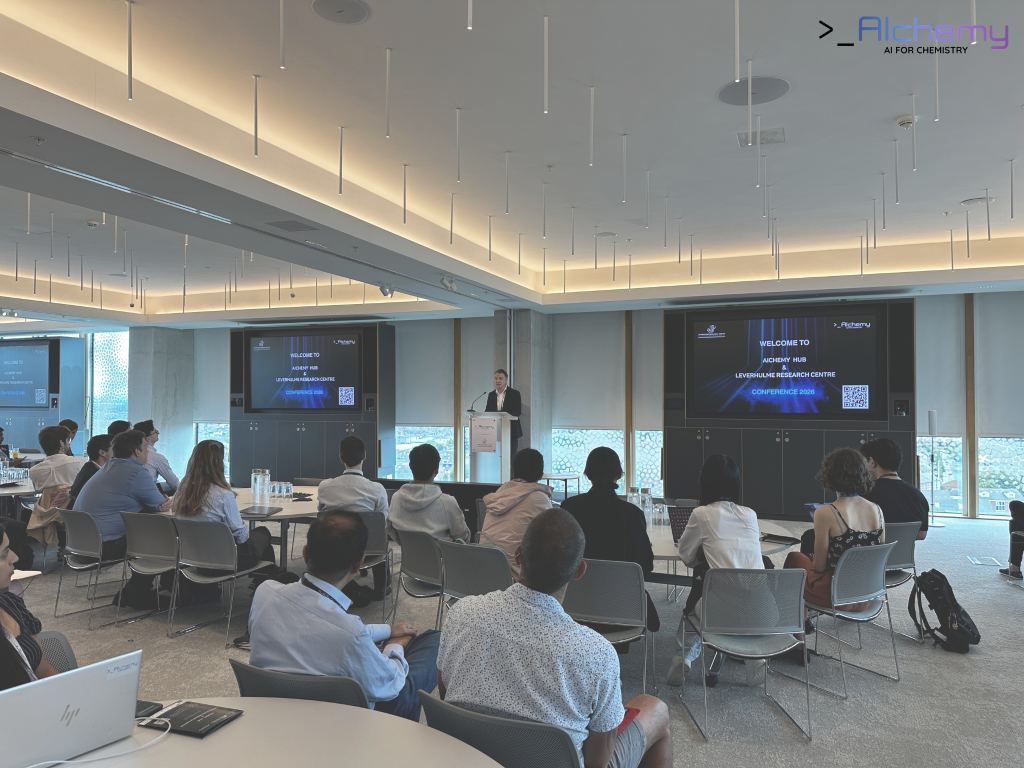
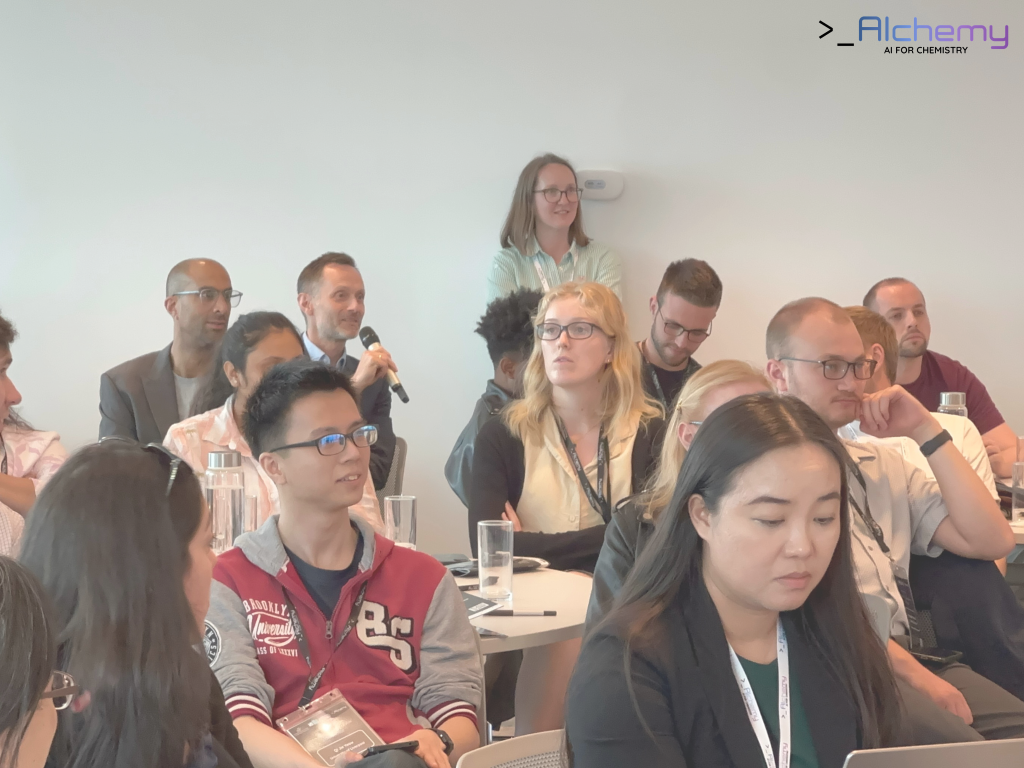
The AIchemy Hub and Leverhulme Research Centre Conference 2026 brought together leading researchers, innovators and industry partners from around the world for two inspiring days at The Spine in Liverpool.
Across the conference, delegates explored how artificial intelligence is transforming chemistry and materials discovery, from self-driving laboratories and autonomous experimentation to machine learning, robotics and digital infrastructure. More importantly, the event highlighted the power of collaboration – bringing together experts from different disciplines to tackle some of the biggest scientific challenges of our time.
With an outstanding line-up of internationally renowned speakers, three digital poster sessions, networking opportunities and a conference dinner, the event provided an exciting platform for sharing ideas, building new collaborations and showcasing the latest advances at the intersection of AI and chemistry.
Day One – Collaboration at the Heart of AI-Driven Discovery
Following a warm welcome from Leverhulme Research Centre Director and AIchemy Co-Director, Professor Andrew Cooper, delegates were introduced to two days dedicated to exploring how artificial intelligence is accelerating scientific discovery while keeping collaboration at its heart. From healthcare and materials science to autonomous experimentation, the programme demonstrated that AI is becoming an invaluable research partner rather than simply another tool.
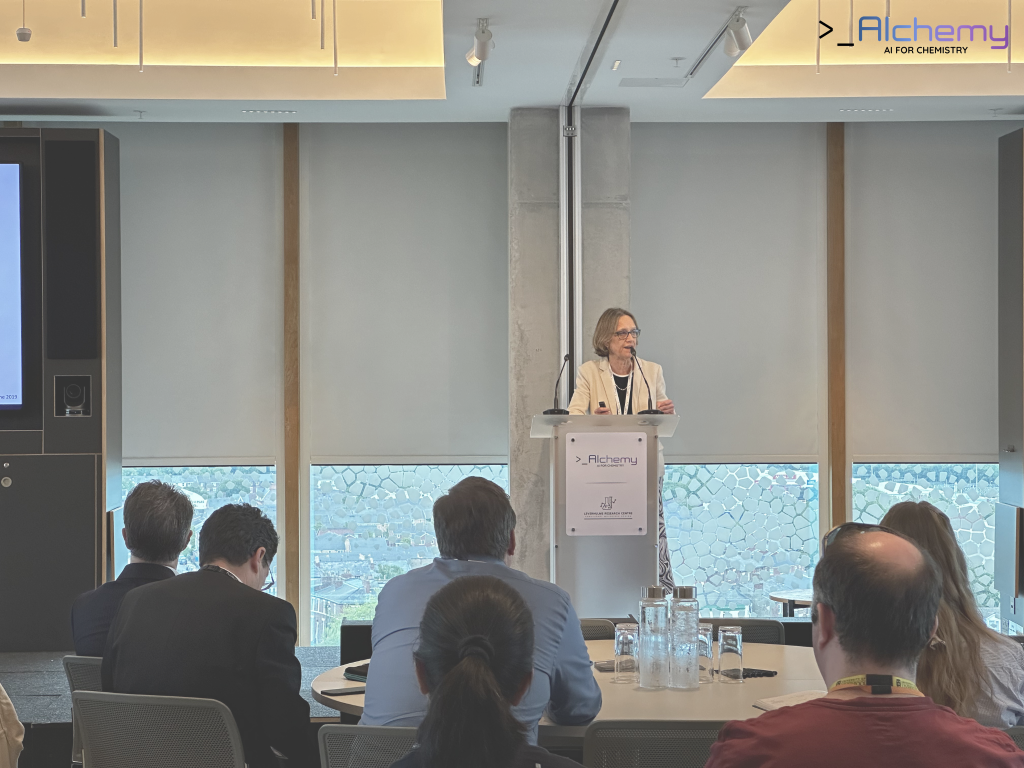
The morning began with Professor Alison Noble (University of Oxford), whose talk explored how AI and human expertise can work together safely and effectively in healthcare imaging. Her presentation demonstrated that the greatest impact comes when AI is designed to augment human decision-making, building systems that clinicians can trust while improving patient care.
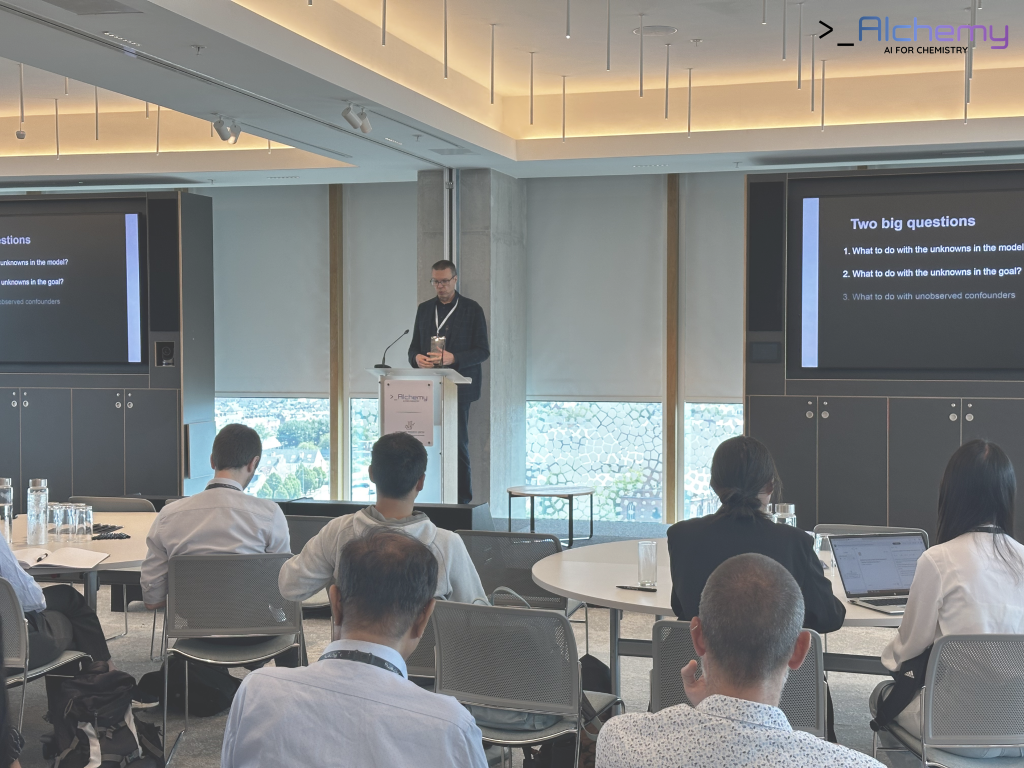
Continuing this theme of human-centred AI, Professor Samuel Kaski (University of Manchester) showcased how automated experimental design can keep researchers firmly “in the loop”. His work illustrated how AI can intelligently guide scientific discovery while allowing scientists to steer experiments and make informed decisions, particularly when exploring unfamiliar scientific territory.
Attention then turned towards materials discovery, where Professor Christopher Künneth (University of Bayreuth) demonstrated how polymer informatics and generative AI are dramatically accelerating the design of sustainable polymers. By combining machine learning with chemical language models, researchers are now able to explore enormous chemical design spaces far more efficiently than traditional approaches allow.
Building on this, Professor Elena Besley (University of Nottingham) highlighted how machine learning is transforming the search for metal-organic frameworks capable of improving biogas separation. Her work showed how AI can rapidly identify promising materials, significantly reducing the time required to discover more sustainable energy solutions.
The afternoon continued with thought-provoking talks focused on trust, automation and intelligent laboratories.
Professor Kevin Rossi (TU Delft) explored one of AI’s biggest challenges -understanding uncertainty. As AI becomes increasingly embedded within scientific workflows, understanding the confidence behind predictions will be essential for making robust research decisions.
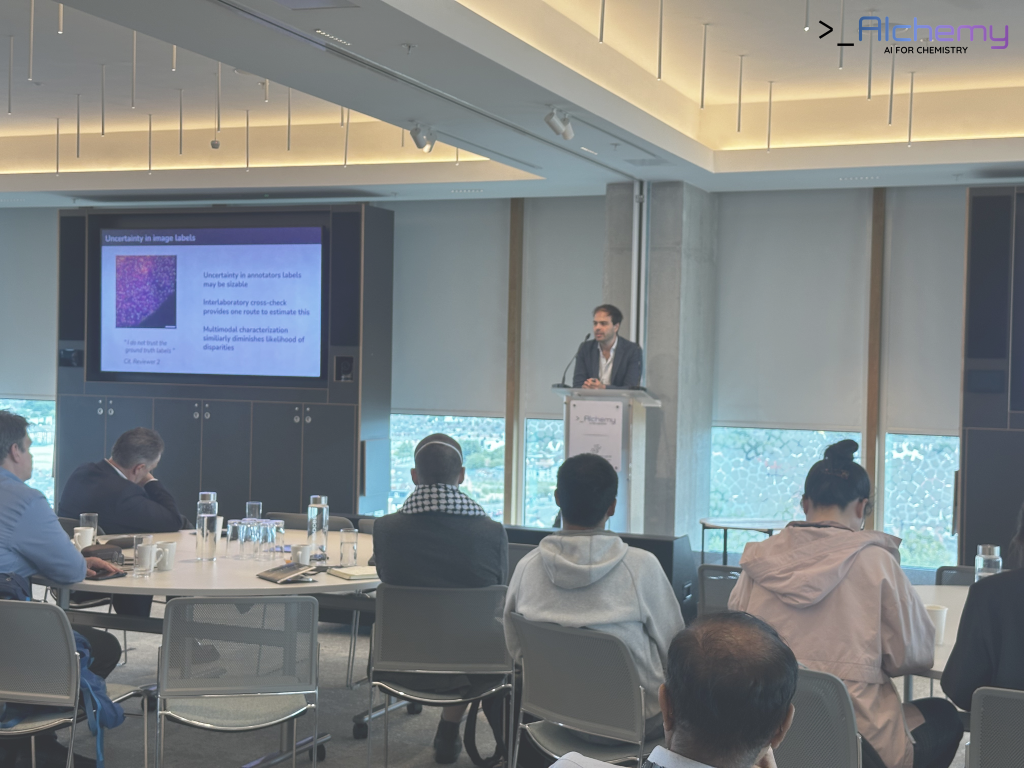
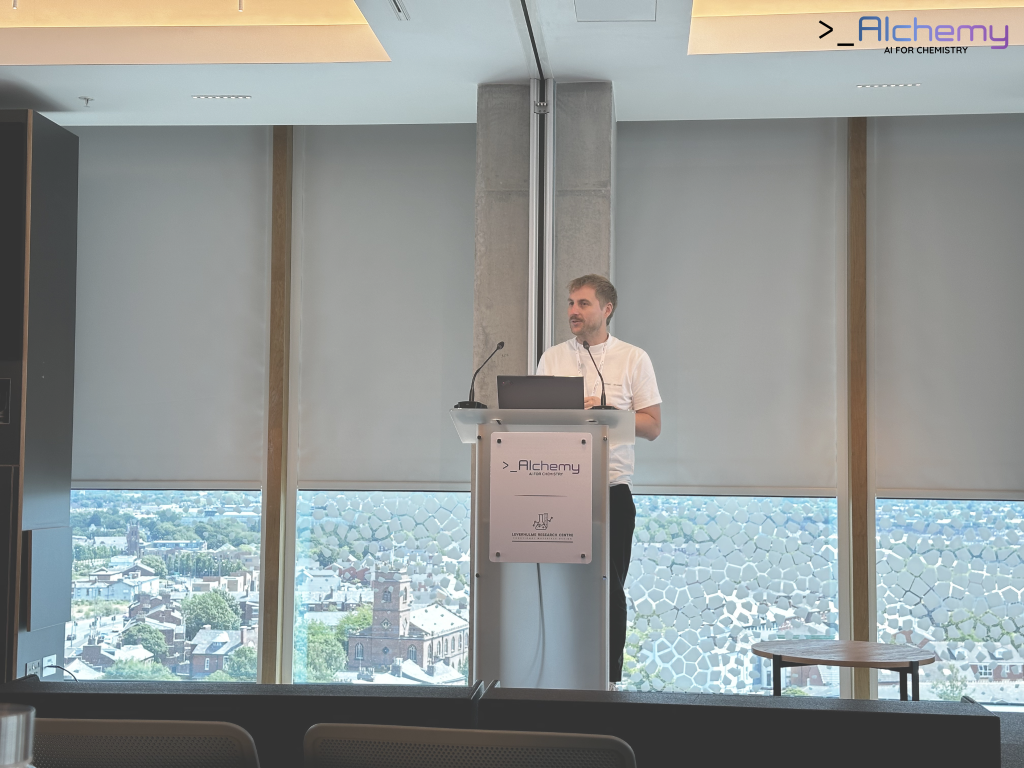
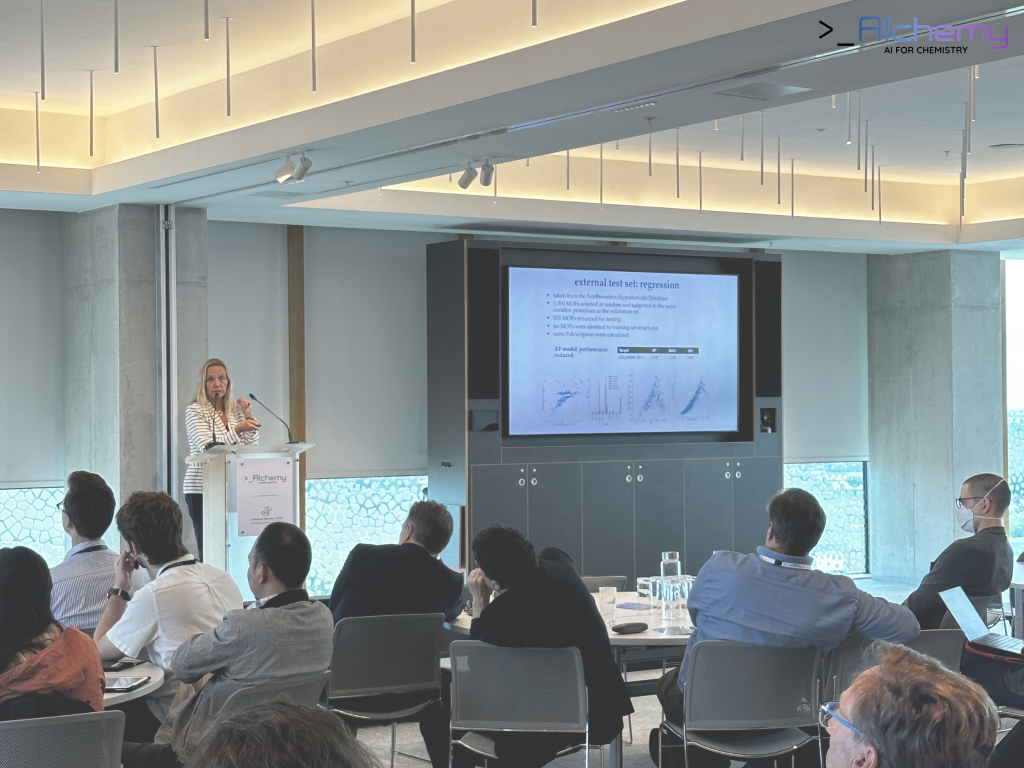
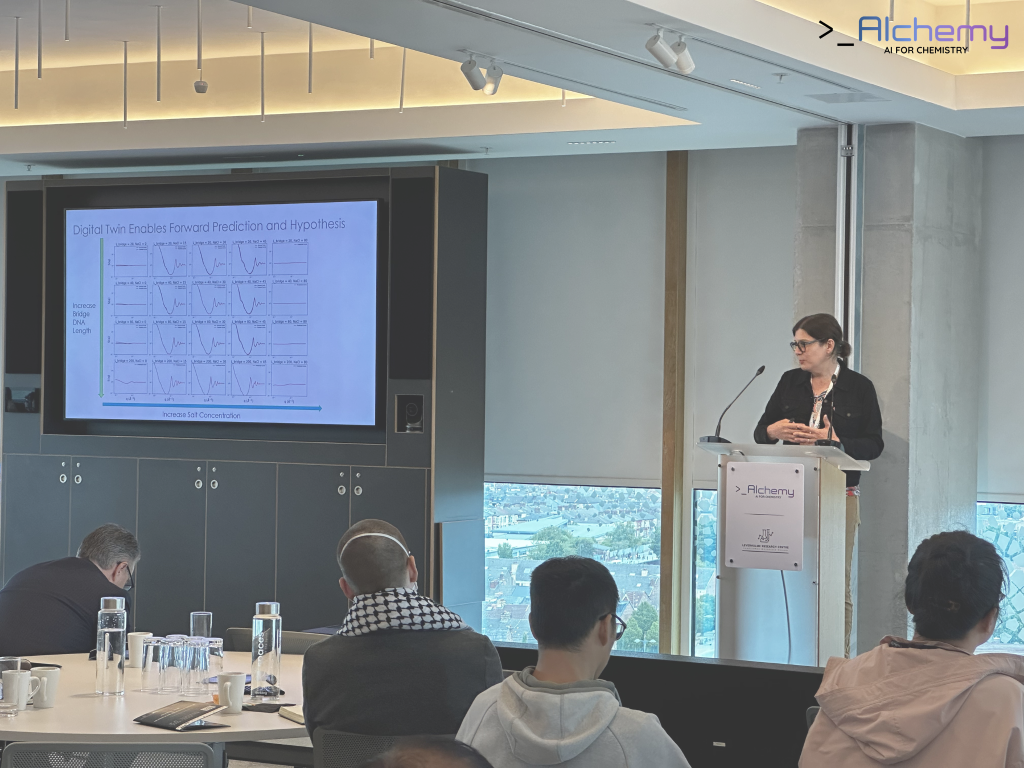
Delegates were then introduced to high-throughput laboratory automation by Professor Lilo Pozzo (University of Washington), who demonstrated how robotics, advanced characterisation and machine learning are enabling researchers to navigate the complex behaviour of soft materials with unprecedented efficiency.
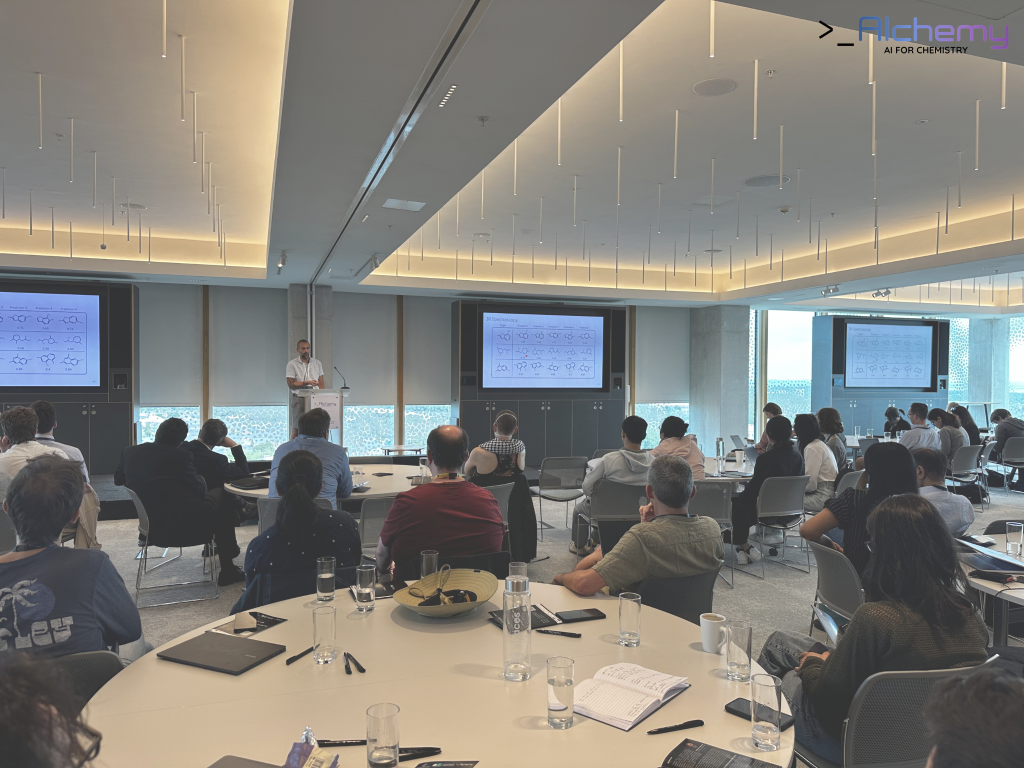
The day’s programme concluded with two exciting glimpses into the future of intelligent chemistry. Teodoro Laino (IBM Research) showcased how chemistry AI is evolving beyond language models towards multimodal systems capable of interpreting molecular structures, spectroscopy, images and experimental data simultaneously. Meanwhile, Professor Timothy Noël (University of Amsterdam) presented RoboChem – an autonomous flow chemistry platform that combines robotics, machine learning and real-time analytics to optimise complex chemical synthesis with minimal human intervention.
Together, these talks illustrated how AI is rapidly becoming an active collaborator within the modern laboratory.
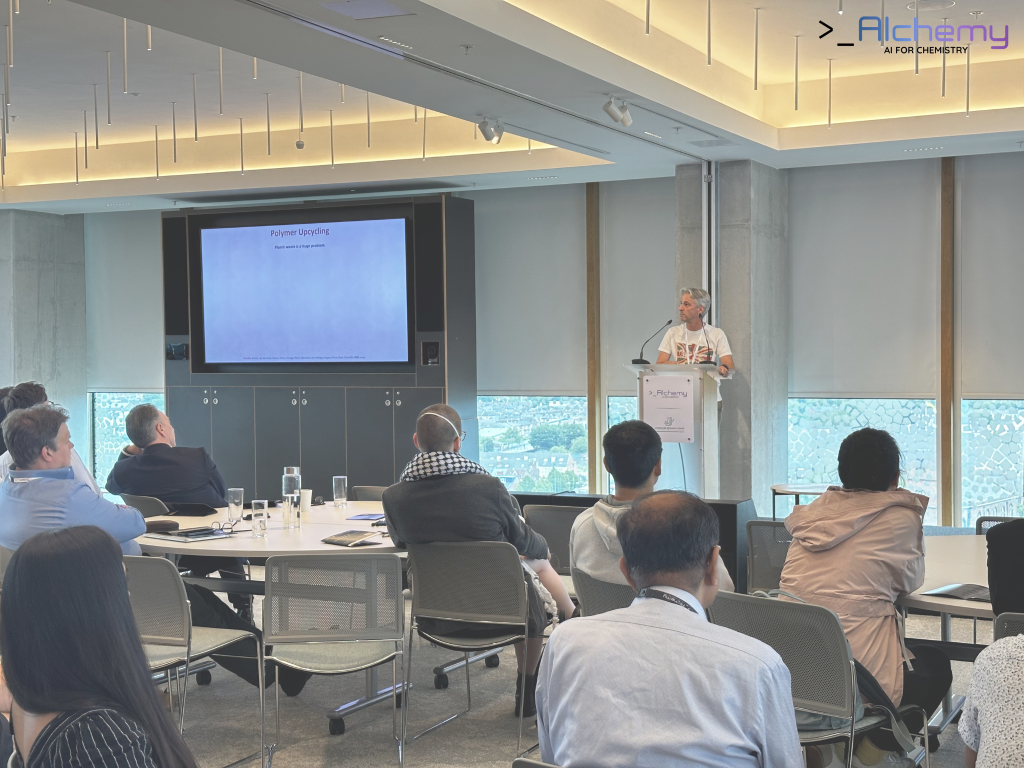
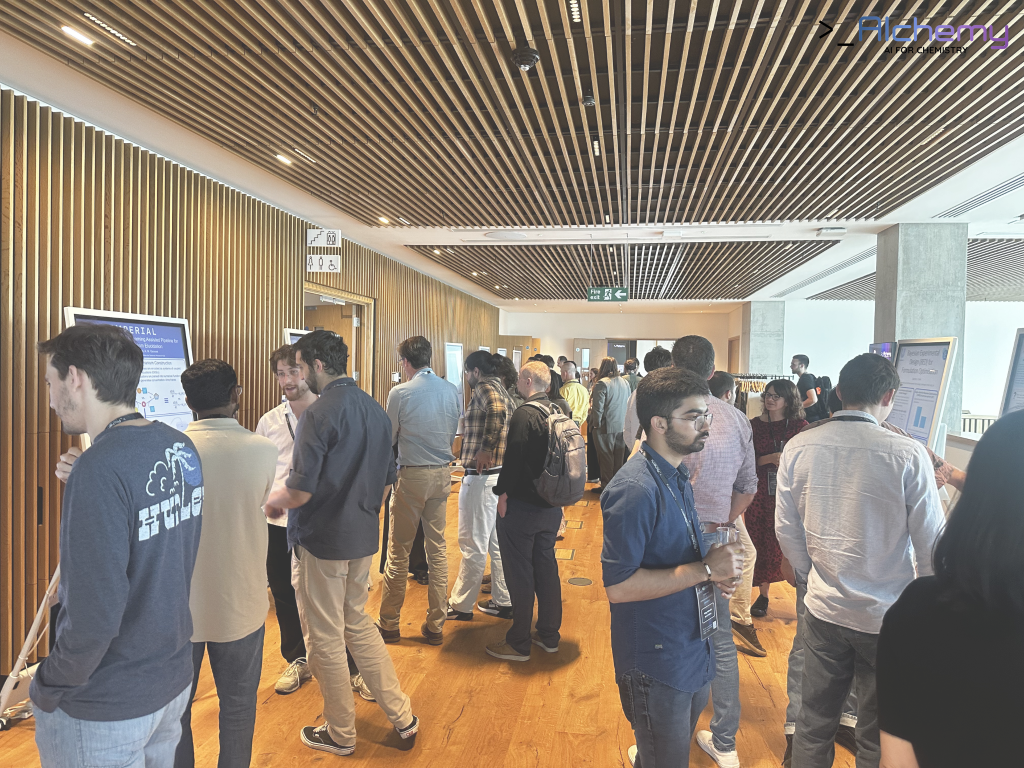
Throughout the day, delegates explored the first two digital poster sessions, where researchers from universities, research institutes and industry shared cutting-edge work spanning autonomous laboratories, robotics, machine learning, materials discovery and sustainable chemistry. The poster sessions generated lively discussions, new collaborations and valuable opportunities for early career researchers to showcase their work.
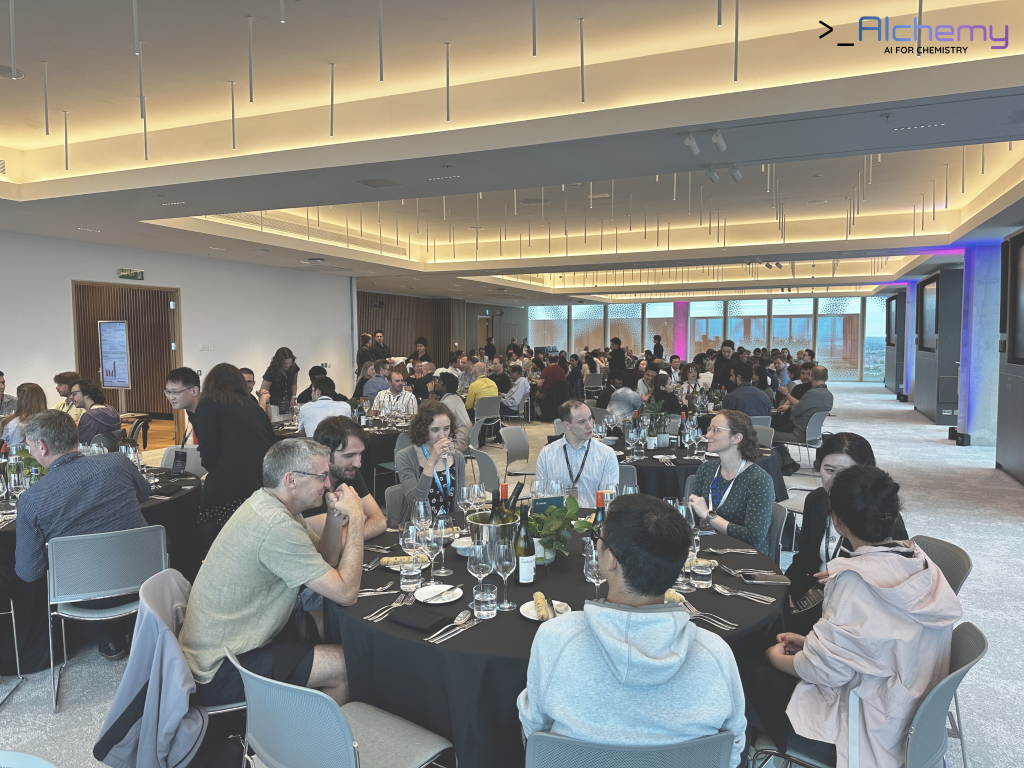
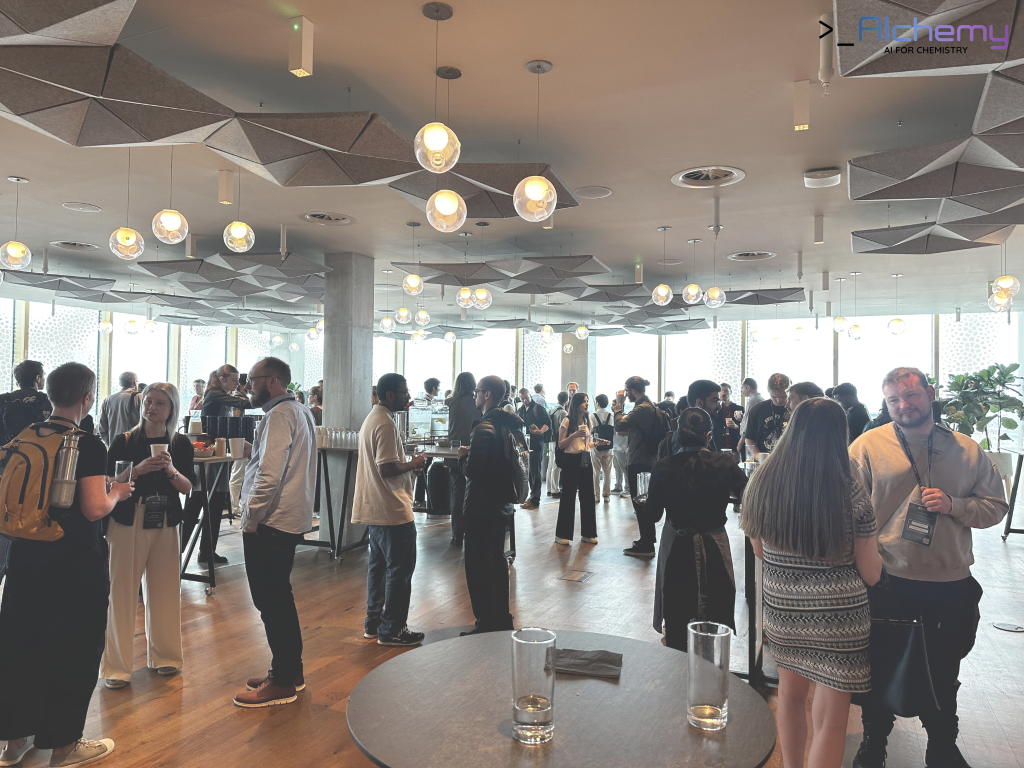
The evening concluded with the conference dinner, where conversations continued long after the final presentation. Surrounded by colleagues old and new, delegates shared ideas, discussed future collaborations and strengthened the growing AIchemy community
Day Two – Building the Laboratories of Tomorrow
Day Two continued the momentum with an outstanding programme focused on autonomous experimentation, robotics and the digital infrastructure required to power the next generation of AI-enabled chemistry.
Opening the morning, Professor Donna Blackmond (Scripps Research) demonstrated how incorporating reaction kinetics into machine learning creates richer, more informative datasets that could transform catalyst discovery and chemical process development. Her talk highlighted the importance of combining traditional chemical understanding with modern AI approaches.
Next, Professor Jie Xu (University of Chicago) introduced Polybot, an AI-guided robotic laboratory integrating synthesis, processing and characterisation into a fully autonomous workflow. Her research demonstrated how intelligent laboratories are accelerating polymer innovation while embedding sustainability into materials design.
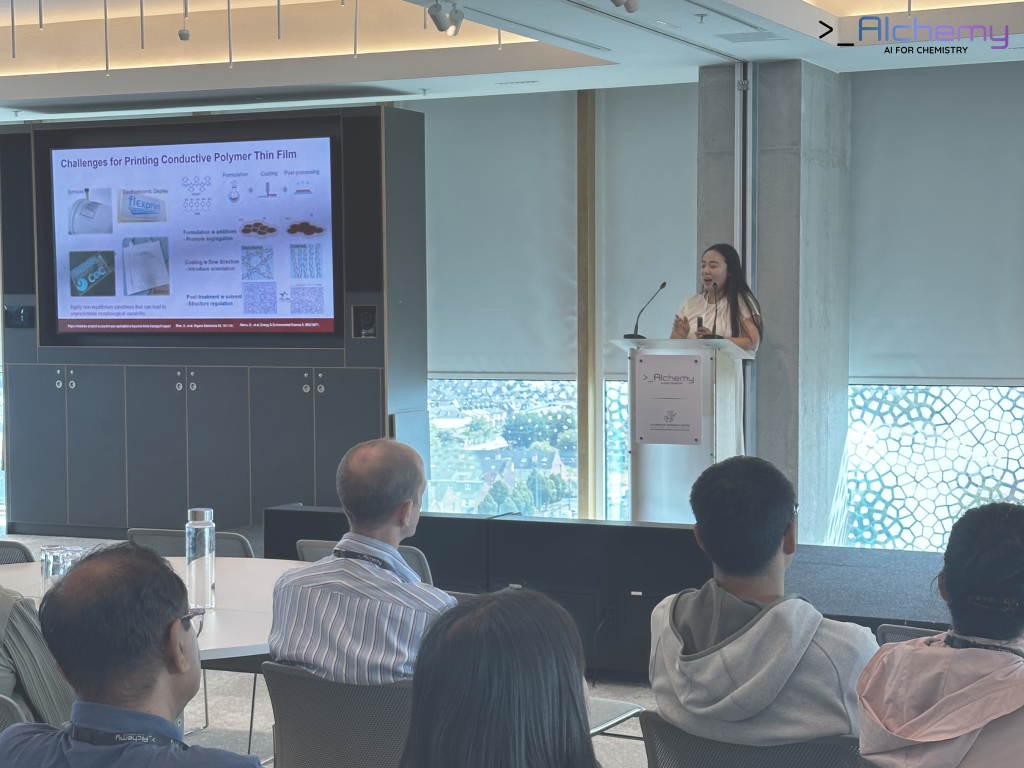
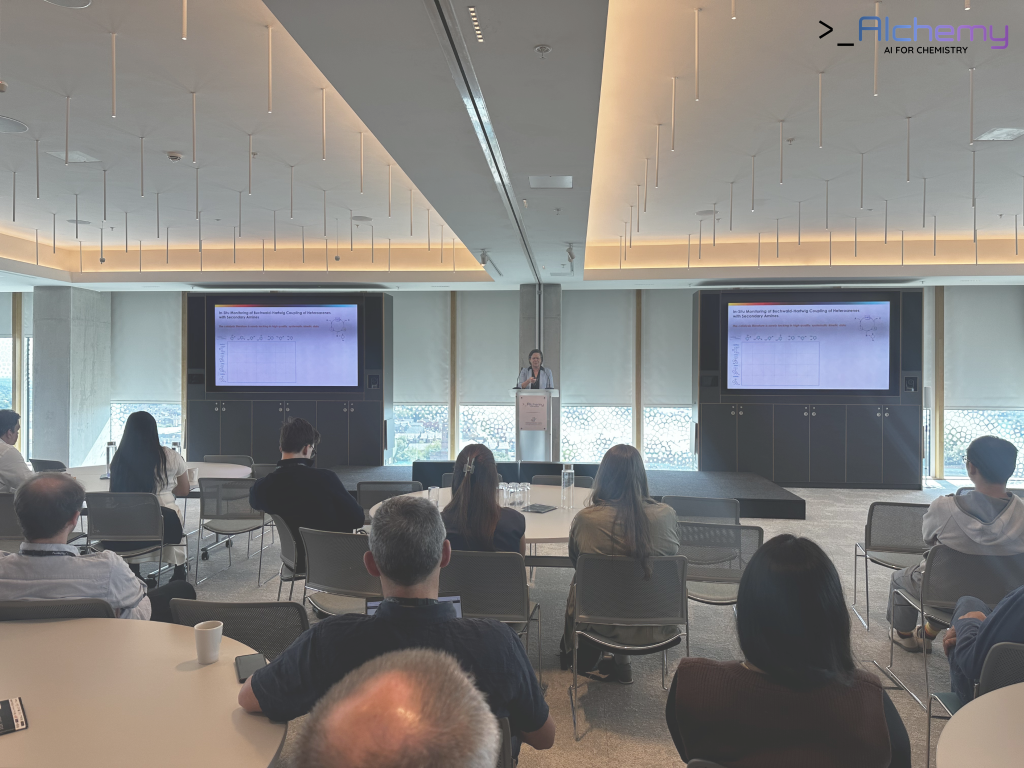
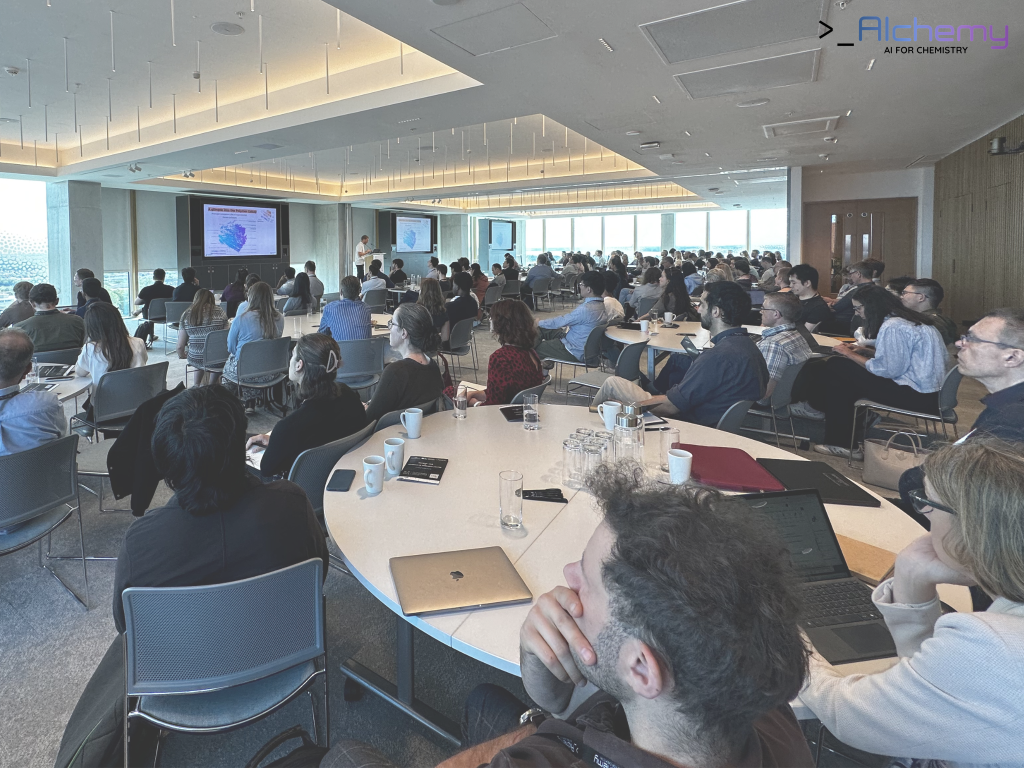
Autonomous laboratories remained a central theme as Professor Wilhelm Huck (Radboud University) explored self-driving laboratories capable of studying complex soft matter systems and generating high-quality experimental data to guide future materials discovery.
Continuing the focus on advanced materials, Professor William Dichtel (Northwestern University) shared exciting developments in two-dimensional polymers, revealing how new synthetic approaches are creating entirely new classes of materials with remarkable structural and functional properties.
As AI becomes increasingly capable, data infrastructure is becoming just as important as algorithms themselves. Professor Alexei Lapkin (University of Cambridge) explored the foundations needed for AI-ready chemistry, demonstrating how semantic metadata, structured datasets and digital technologies will enable future AI agents to become more reliable research partners.
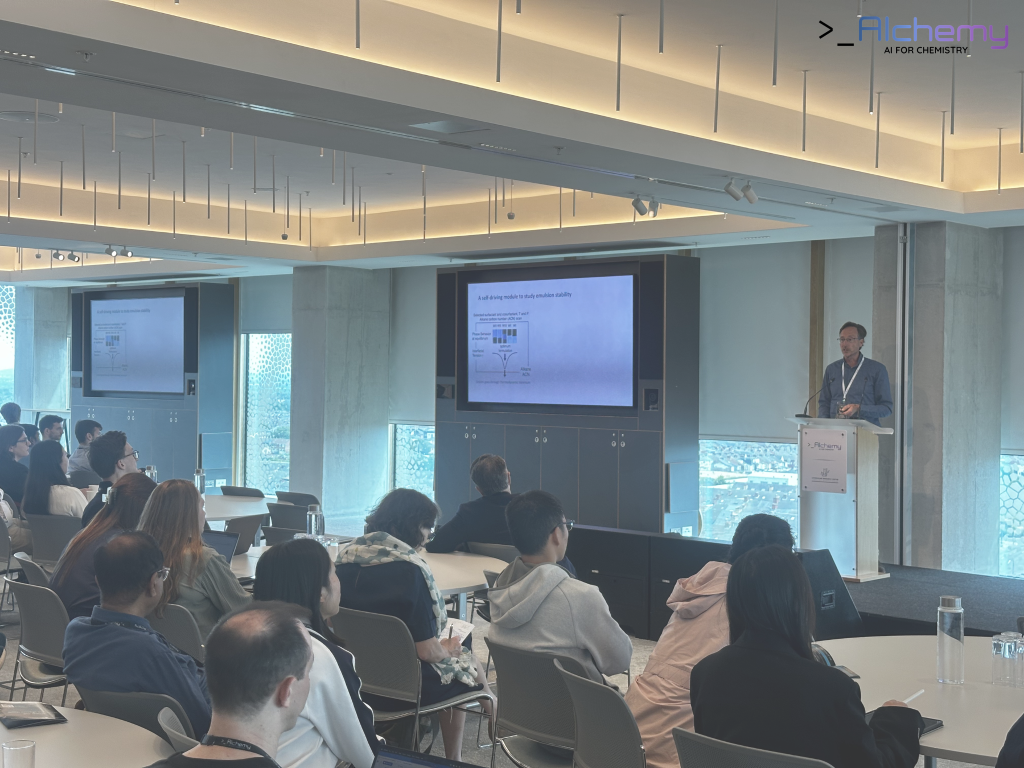
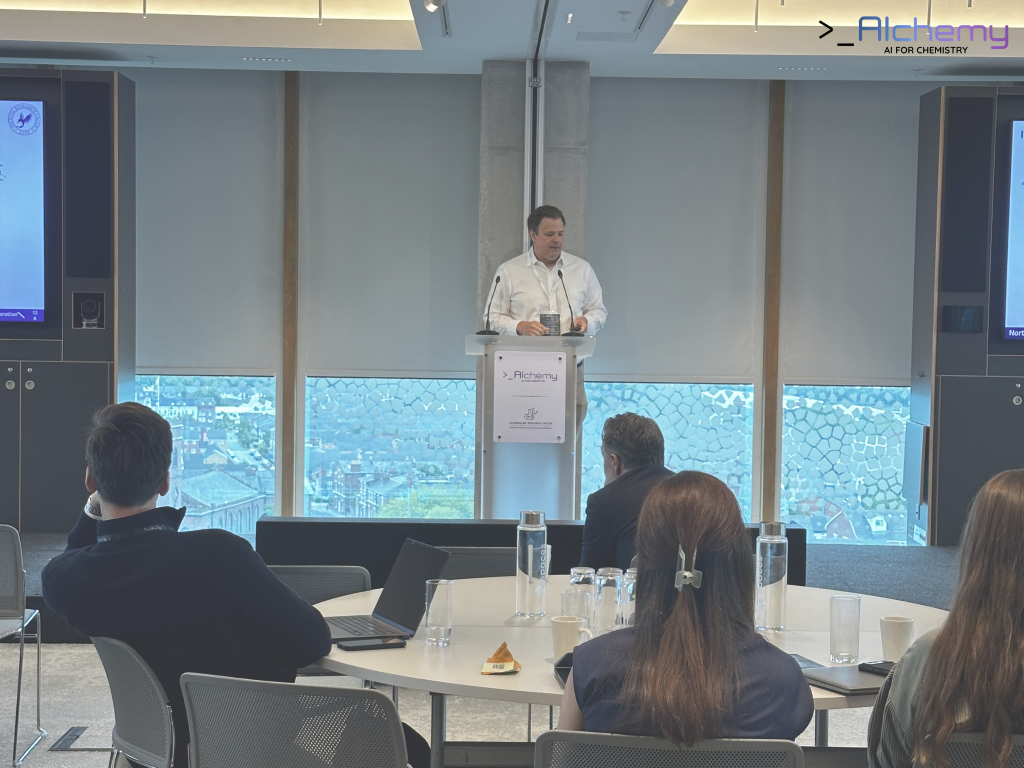
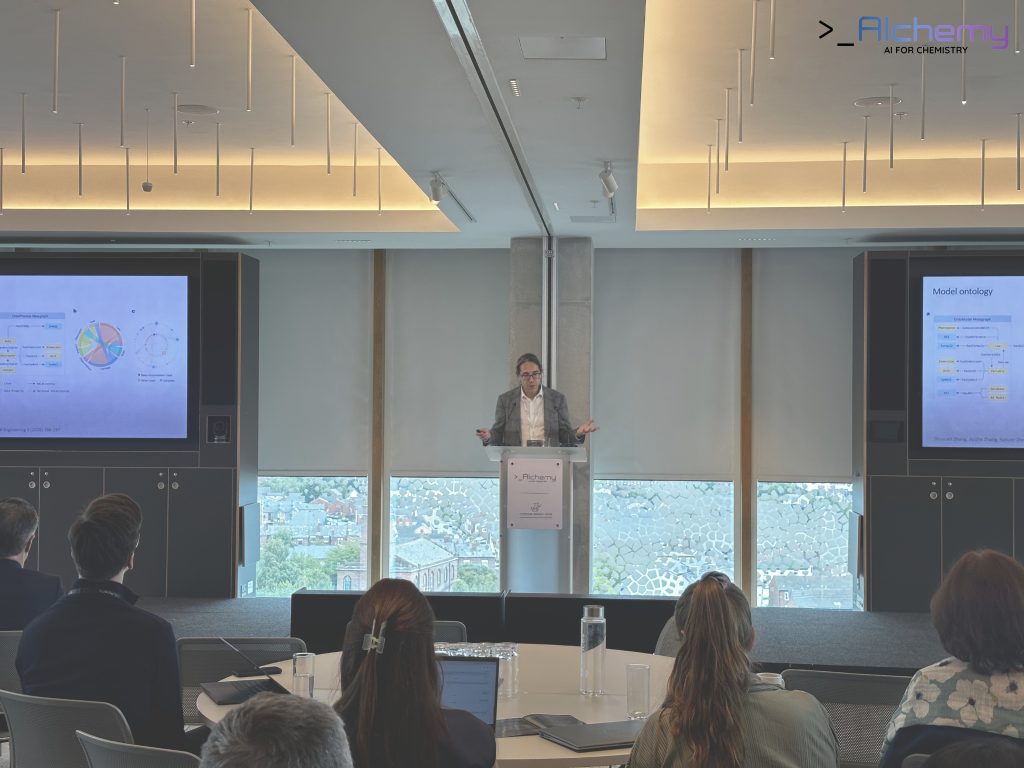
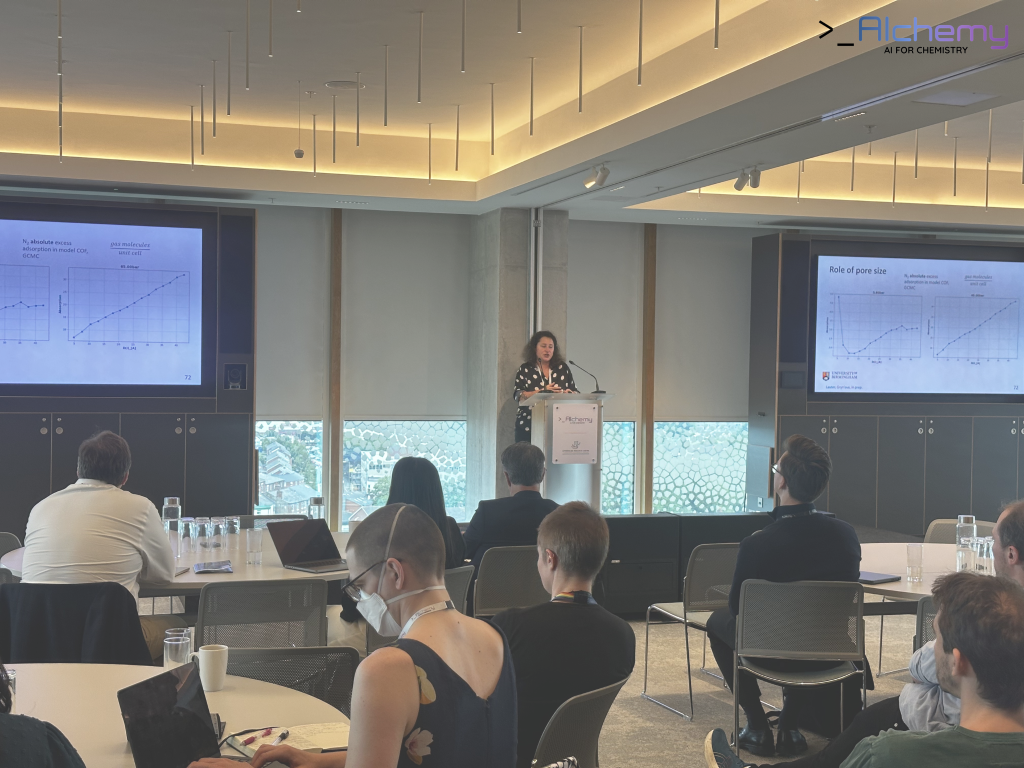
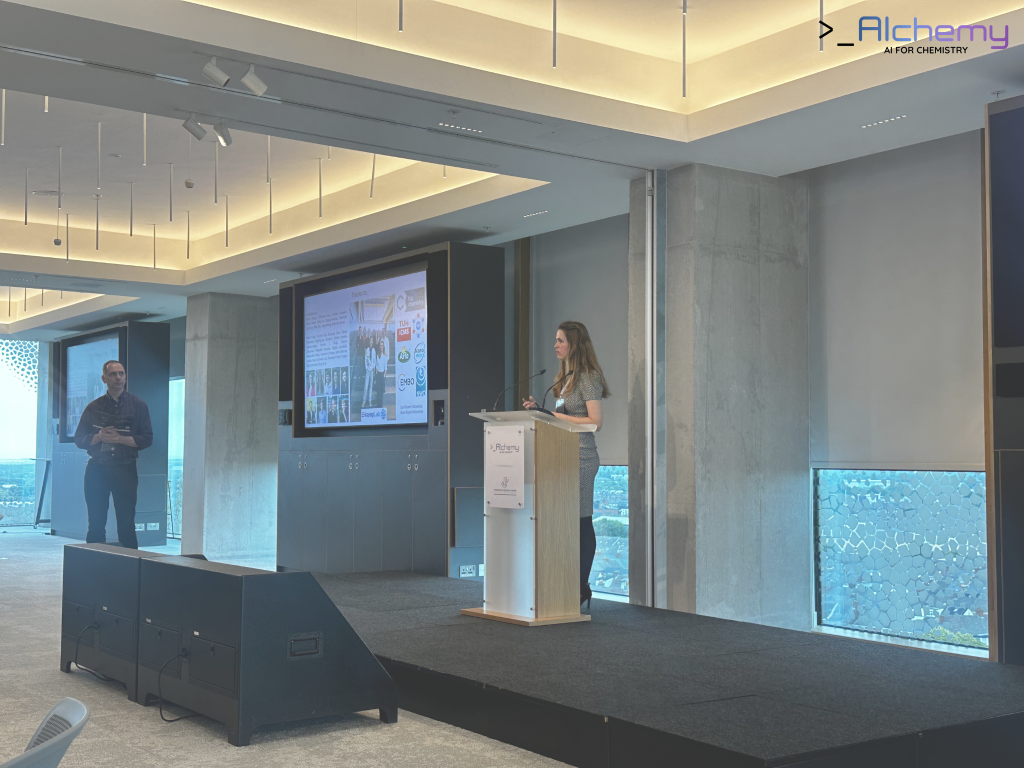
The final scientific presentations showcased how machine learning continues to unlock increasingly complex materials challenges. Dr Ganna Gryn’ova (University of Birmingham) demonstrated innovative computational approaches for modelling framework materials, while Dr Nadia Erkamp (Eindhoven University of Technology) concluded the programme with self-driving laboratories capable of autonomously exploring biological soft matter, dramatically reducing experimental time and material usage while accelerating discovery.
Celebrating Our Poster Presenters
Alongside the outstanding speaker programme, delegates explored three digital poster sessions showcasing innovative research from universities, research institutes and industry across the UK and internationally. Topics ranged from autonomous laboratories and robotics to generative AI, materials discovery, flow chemistry, battery technologies and sustainable materials, demonstrating the incredible breadth of research taking place across the AIchemy community.
The poster sessions provided an excellent platform for researchers to share their work, exchange ideas and build new collaborations throughout the conference.
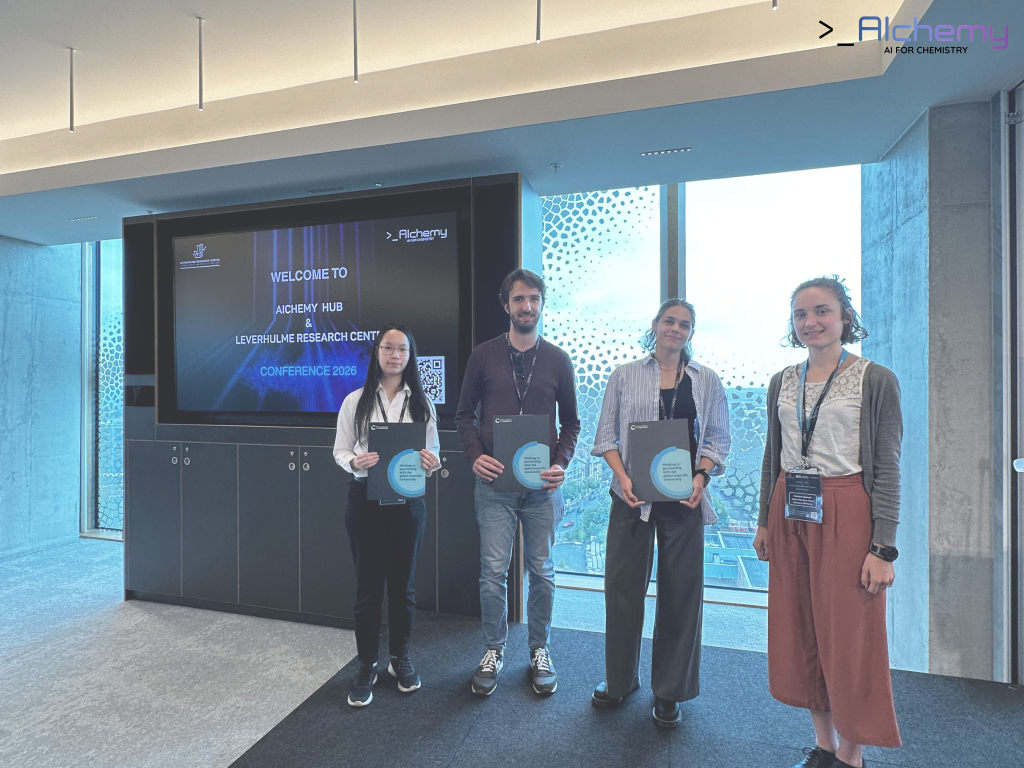
During the closing session, AIchemy Co-Director, Professor Kim Jelfs (Imperial College London) presented the poster prizes, generously sponsored by the Royal Society of Chemistry. Each winner received a certificate and a £100 RSC book voucher.
Congratulations to our 2026 poster prize winners:
Louise Efford – University of Sheffield
Federico Ottomano – Imperial College London
Katie Zhou – University of Liverpool
A huge congratulations to all of our poster presenters for showcasing such an outstanding range of research.
Thank You
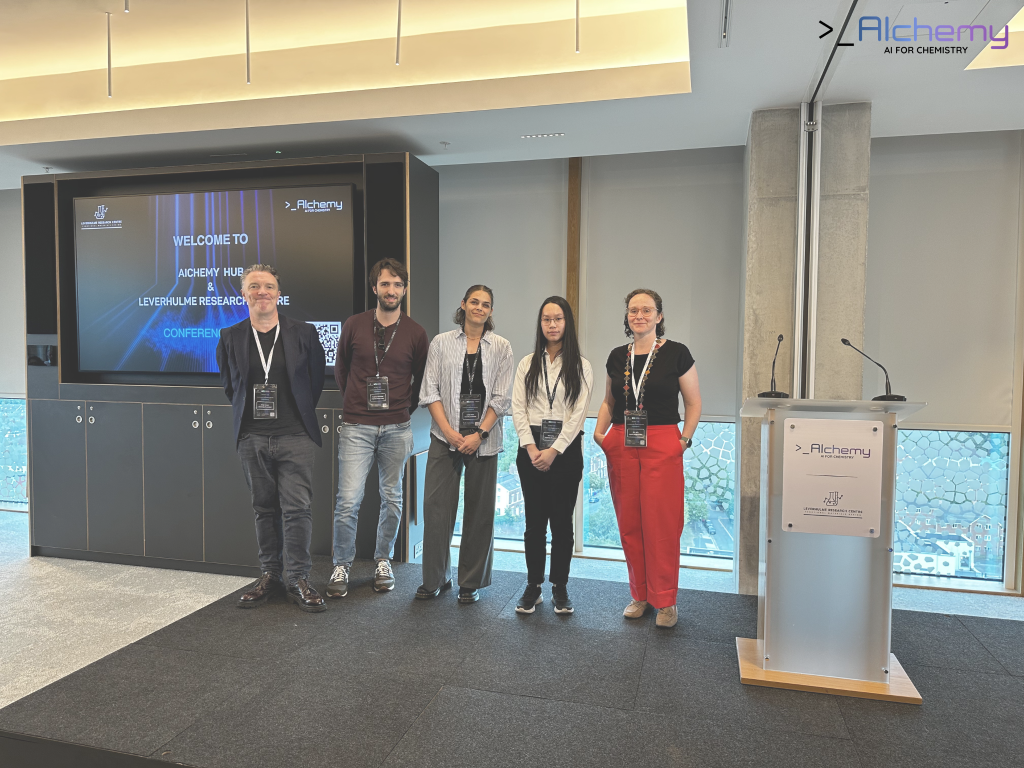
This conference would not have been possible without the incredible contributions of our brilliant speakers, poster presenters, delegates, sponsors, exhibitors and organising committee.
Thank you to everyone who travelled to Liverpool, shared their research, contributed to discussions and helped create such an open, collaborative and inspiring atmosphere over the two days. The enthusiasm, curiosity and willingness to share ideas truly embodied the spirit of the AIchemy community.
What’s Next?
While the conference may be over, our work continues.
AIchemy continues to bring together the UK’s AI and chemistry communities through workshops, hackathons, webinars, networking events and training opportunities designed to accelerate collaboration and innovation.
Visit our Events page to discover what’s coming up, and be sure to follow AIchemy on LinkedIn, Bluesky and X to stay up to date with the latest news, funding opportunities and community activities.
Thank you once again to everyone who made the AIchemy & Leverhulme Research Centre Conference 2026 such a memorable success. We look forward to welcoming you to another AIchemy event very soon.