
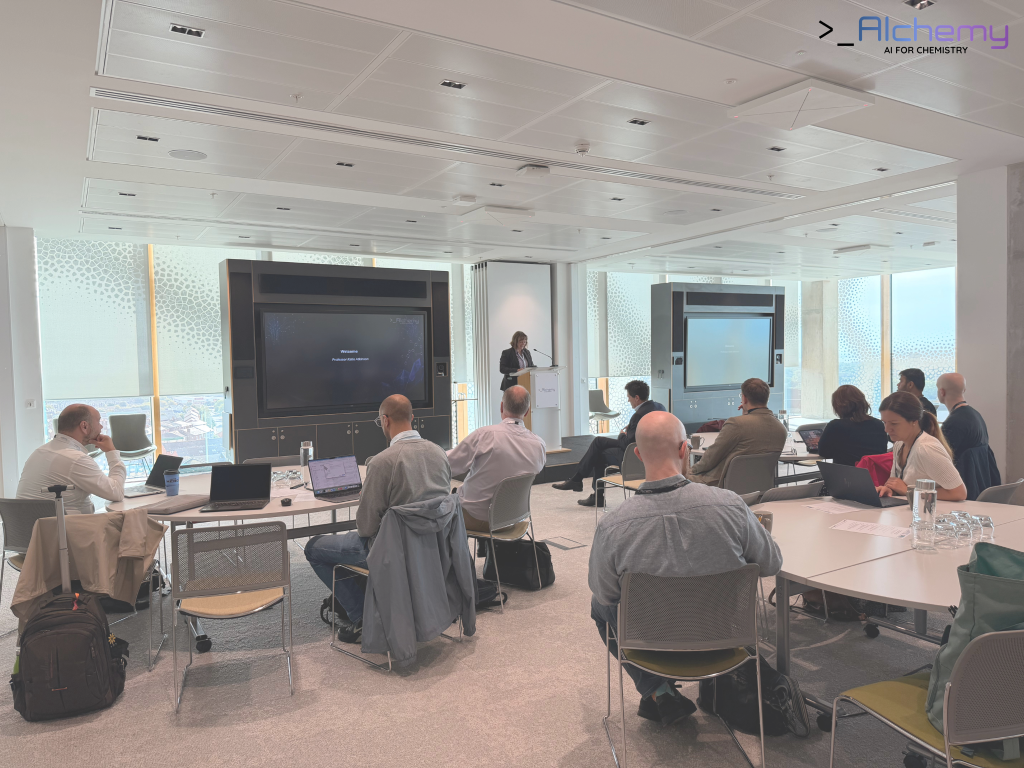
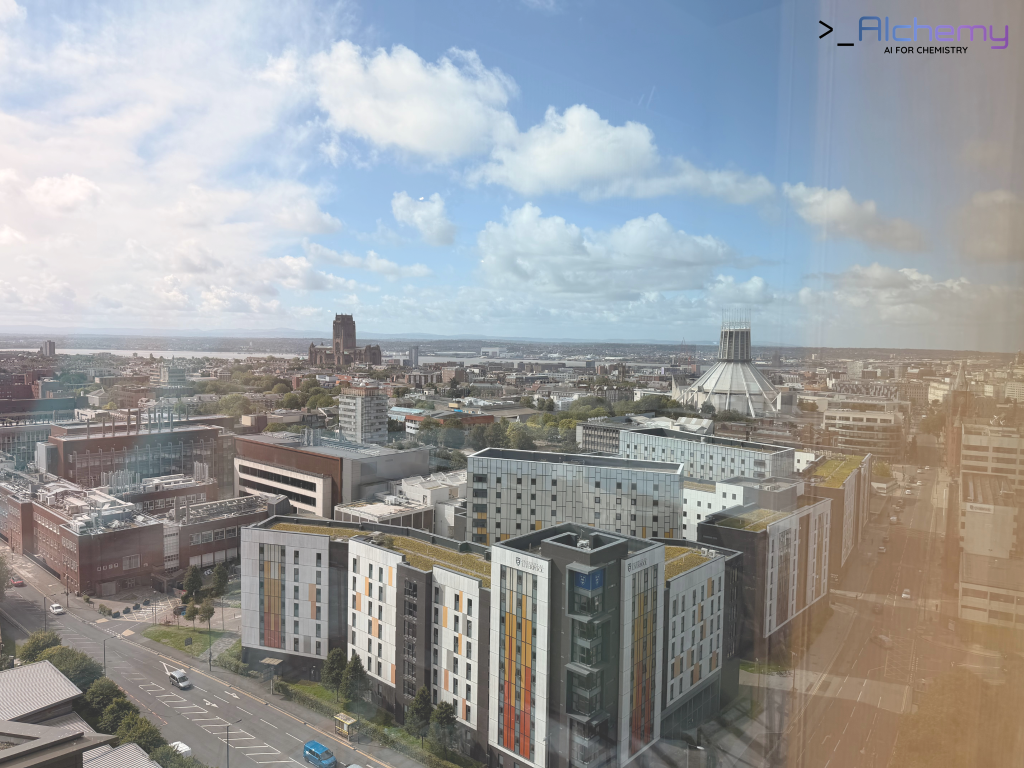
On 8th September, AIchemy and the EPSRC Programme Digital Navigation for Chemical Space brought together researchers from artificial intelligence, computer science, chemistry and materials science at The Spine in Liverpool for Transferable Opportunities for AI in Materials Chemistry.
Artificial intelligence is developing at extraordinary pace, but many of the latest advances originate outside chemistry. This one-day symposium therefore posed a different question: what can materials chemistry learn from the wider world of AI? Bringing together experts working across explainable AI, autonomous systems, foundation models, agentic AI and interactive learning, the programme explored emerging capabilities in computer science and considered how these approaches might translate into new opportunities for materials discovery.
Looking Beyond Current Applications
Professor Katie Atkinson (University of Liverpool) opened the symposium, welcoming delegates and setting the scene for a day focused on bringing disciplines together and looking beyond the AI methods already familiar within chemical research.
The morning began with Professor Francesca Toni (Imperial College London), who explored Explainable AI for Contestability, introducing important questions around our ability to understand, interrogate and challenge the decisions made by increasingly sophisticated AI systems.
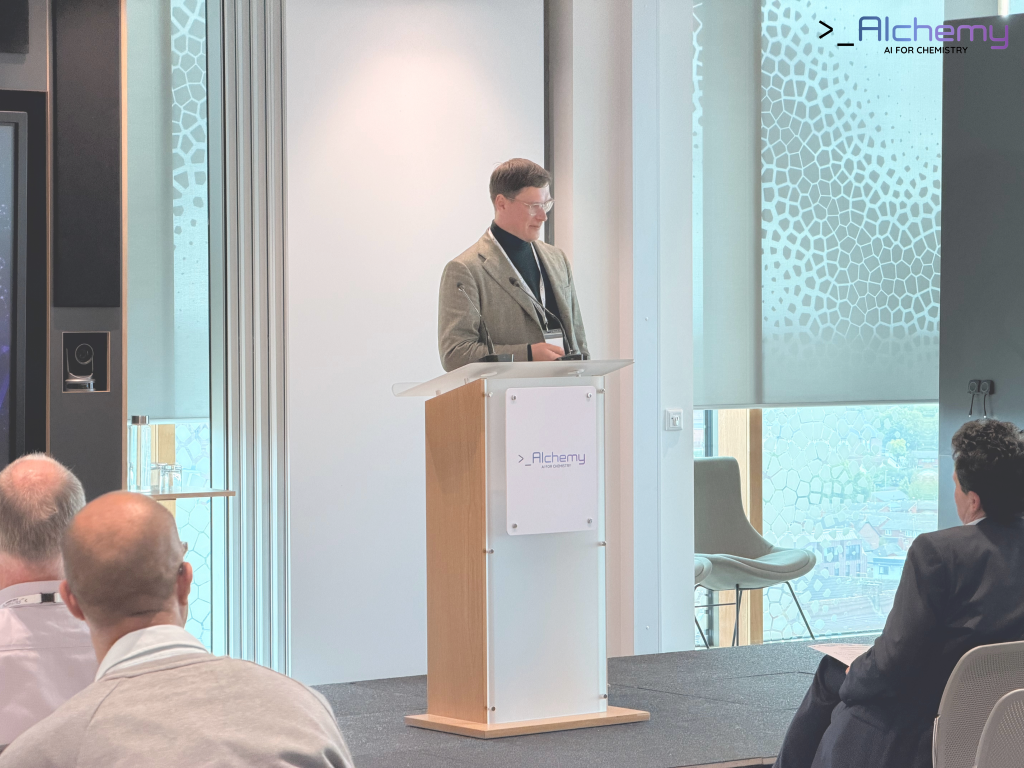
Dr Vladimir Gusev (University of Liverpool) then brought the discussion directly into materials research with Towards Algorithmic Intelligence in Materials Discovery, exploring how advances in algorithmic approaches could help support the discovery of new materials.
Together, the sessions highlighted an important theme that continued throughout the day: harnessing increasingly powerful AI systems is not simply about what those systems can do, but how researchers understand, interact with and ultimately use them effectively within scientific discovery.
From Autonomous Systems to Foundation Models
The second part of the morning explored two rapidly developing areas of artificial intelligence and their potential relevance to scientific research.
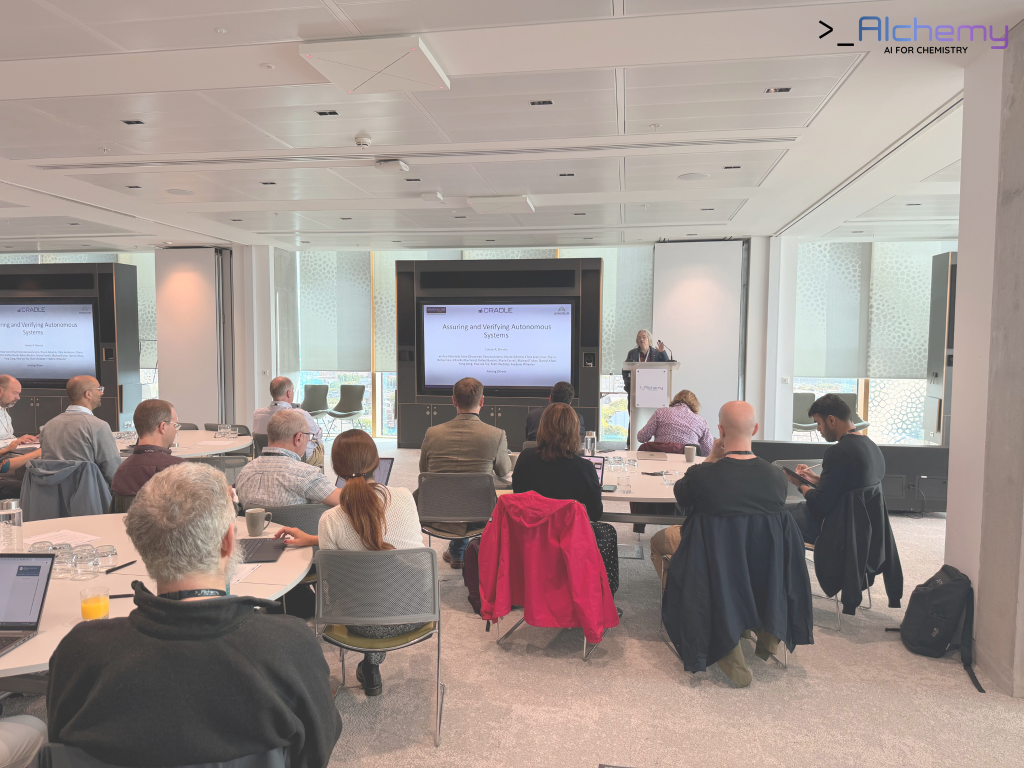
Dr Louise Dennis (University of Manchester) discussed Assuring and Verifying Autonomous Systems, examining the challenge of ensuring that autonomous systems behave as intended – an increasingly important consideration as AI moves beyond providing predictions towards taking actions and making decisions.
Professor Danushka Bollegala (University of Liverpool) followed with Mapping the Landscape of Foundation Models for Material Representation and Discovery, considering the rapidly evolving foundation model landscape and the opportunities these models may offer for representing, understanding and ultimately discovering new materials.
These talks demonstrated the breadth of expertise that can contribute to the future of AI-enabled chemistry. Developments taking place across computer science may not have been designed specifically with chemistry in mind, but the underlying ideas could offer valuable new approaches to longstanding scientific challenges.
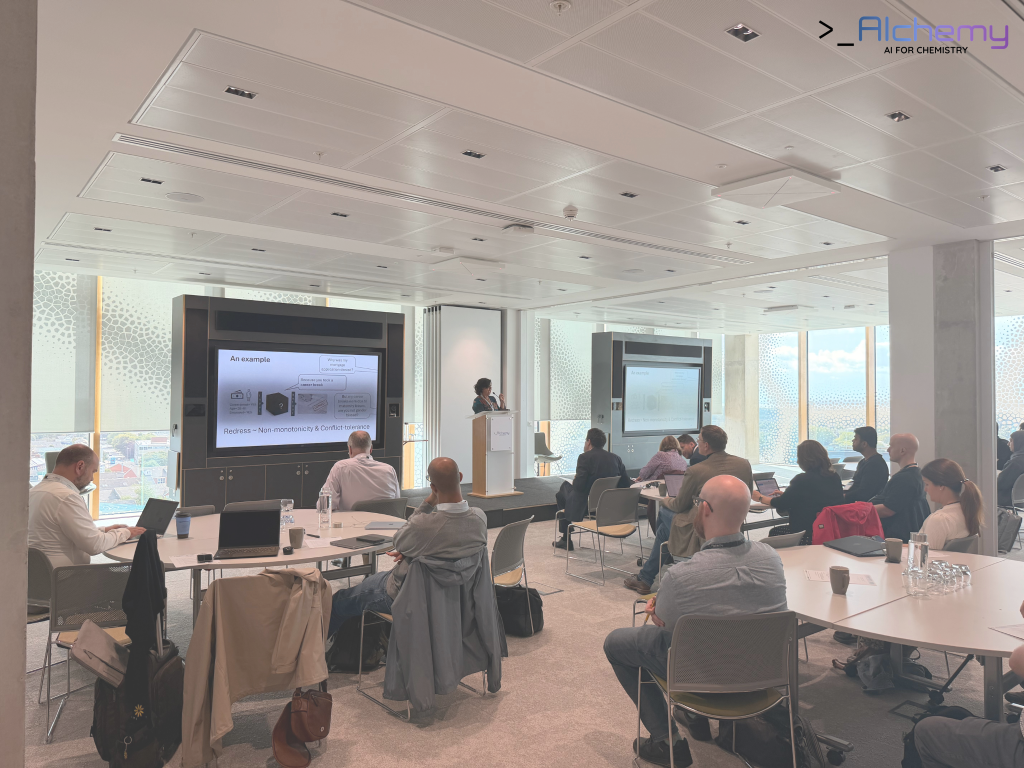
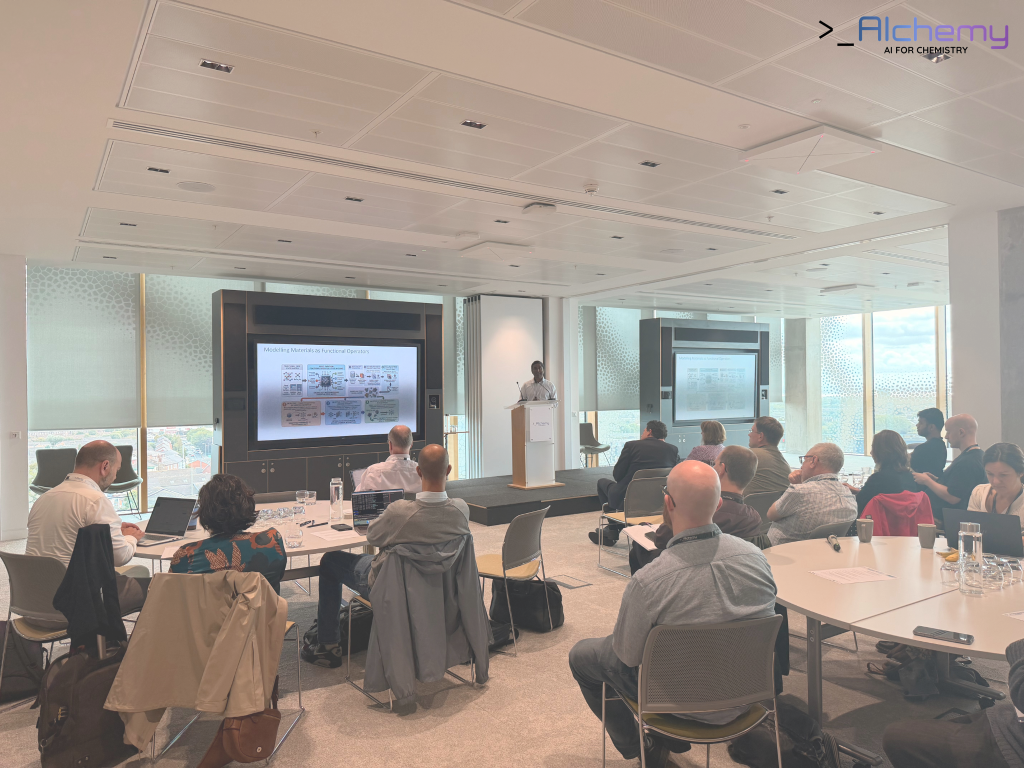
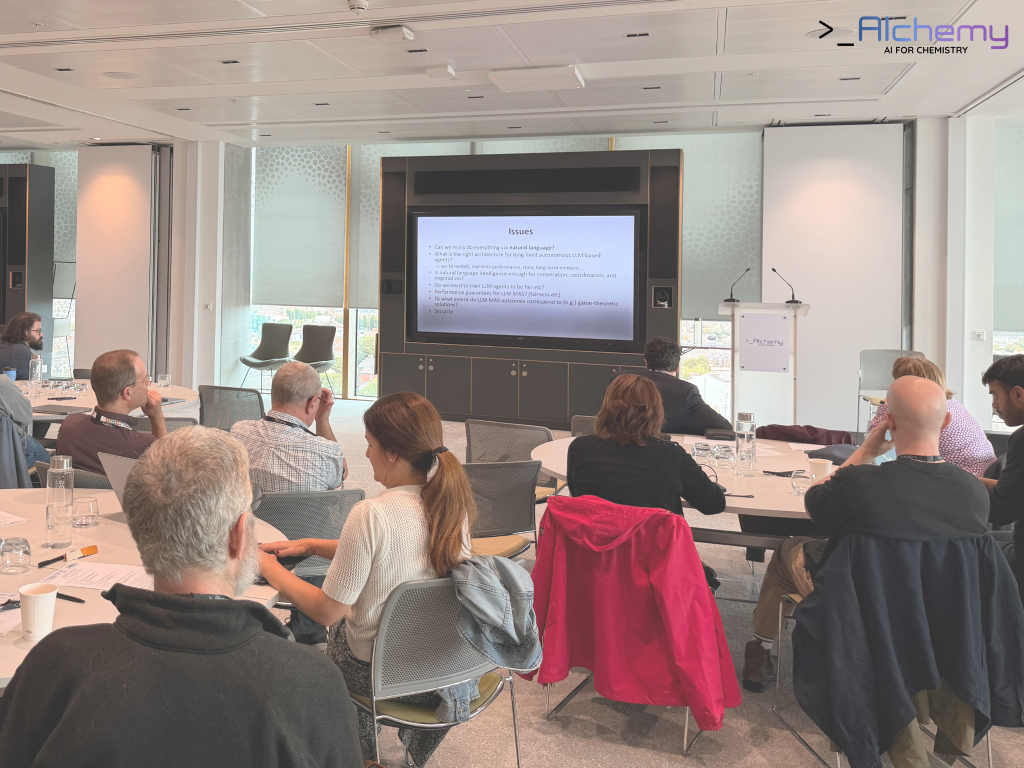
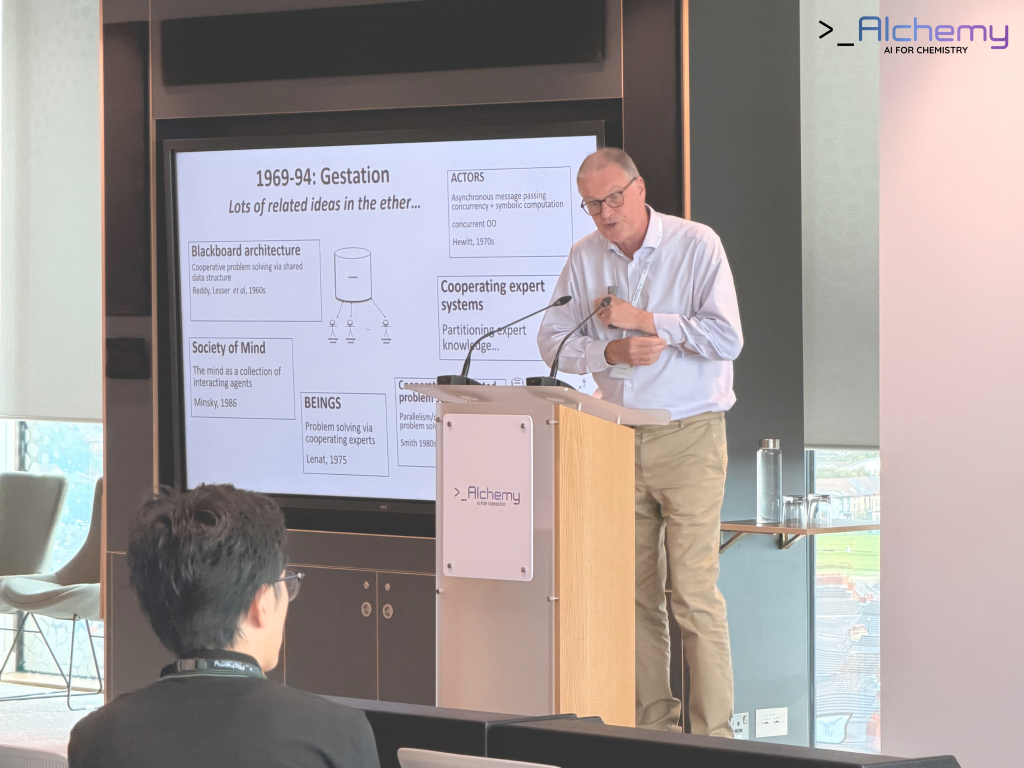
The afternoon turned towards increasingly autonomous and interactive forms of artificial intelligence. Professor Michael Wooldridge (University of Oxford) introduced Agentic AI and Multi-agent Systems, exploring AI systems capable of acting towards goals and the possibilities created when multiple intelligent agents interact.
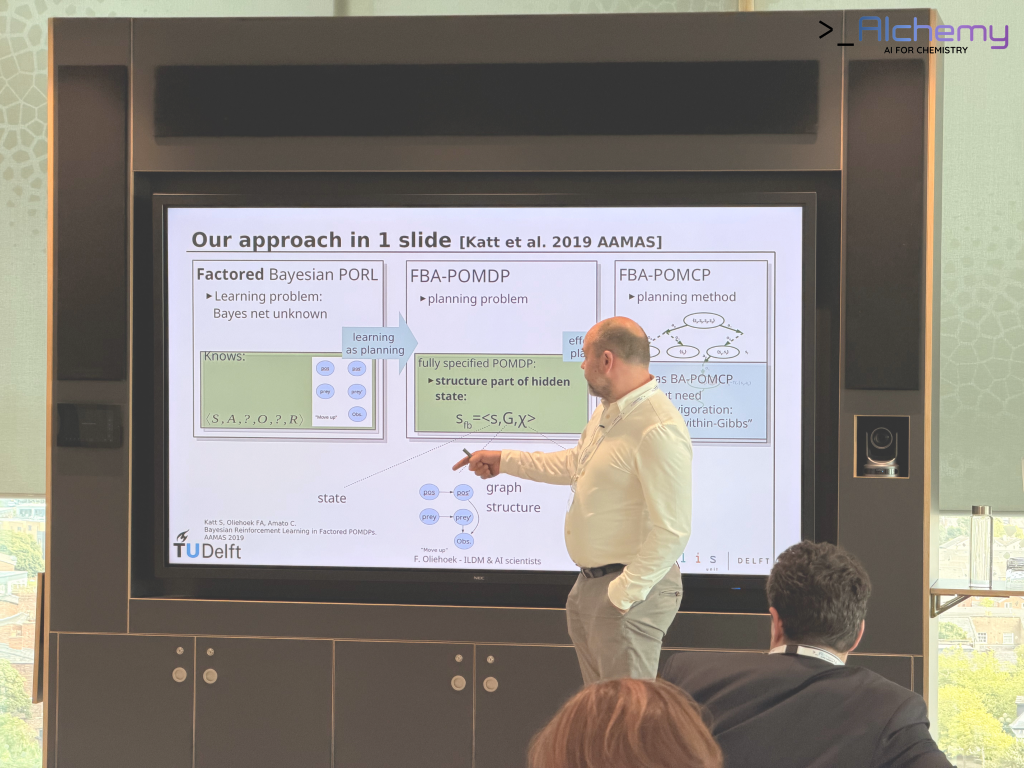
This was followed by Professor Frans Oliehoek (TU Delft), whose talk, Interactive Learning and Decision Making: Towards AI Scientists, looked further towards the future and the role interactive learning and decision-making systems could potentially play within scientific discovery.
Together, the sessions encouraged delegates to think beyond AI as simply a tool for analysing existing datasets. As AI systems become increasingly capable of reasoning, interacting, learning and making decisions, what might this mean for the way we design experiments, navigate chemical space and approach materials discovery?
Challenges, Opportunities and the Future of AI for Materials Chemistry
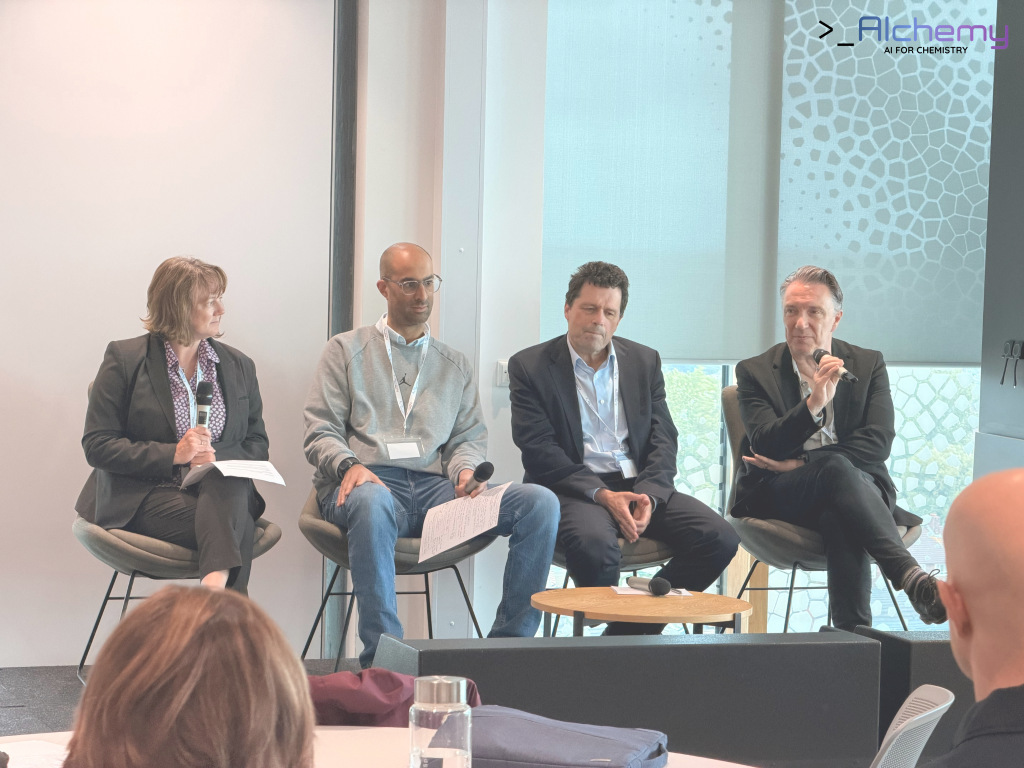
The day ended with a panel discussion featuring Professor Katie Atkinson, Professor Andy Cooper, Professor Rahul Savani and Professor Matt Rosseinsky, reflecting on the challenges and opportunities presented by AI for materials chemistry.
The discussion brought the themes of the symposium together, providing an opportunity to consider not only what may become technically possible, but what will be useful, trustworthy and scientifically meaningful.
With expertise spanning computer science, artificial intelligence and materials chemistry, the panel reinforced the importance of conversations across disciplinary boundaries. Translating advances in AI into genuine scientific progress requires more than simply adopting the latest technology; it requires chemists, materials scientists and computer scientists to understand one another’s challenges, capabilities and ways of working.
A central aim of the symposium was to create exactly these kinds of connections.
Rather than focusing solely on established applications of AI within chemistry, Transferable Opportunities for AI in Materials Chemistry created space to look outward: to understand where artificial intelligence is heading, identify ideas that could transfer into chemical research and encourage new collaborations between communities that may approach problems from very different perspectives. The conversations continued beyond the formal programme with a networking drinks reception, giving delegates further opportunity to exchange ideas, discuss potential applications and make new connections.
Looking Ahead
The pace of development in artificial intelligence means that the possibilities available to researchers are continually changing. Foundation models, agentic systems, autonomous decision making, explainable AI and interactive learning are all developing rapidly and understanding how these capabilities might translate into chemistry and materials science presents both significant opportunities and important questions.
Events such as this provide an opportunity to start those conversations early. By bringing together researchers developing AI methods with those tackling complex challenges in materials chemistry, we can move beyond asking “How are we using AI today?” and begin asking “What could we use next?”
A huge thank you to Professor Katie Atkinson, Professor Francesca Toni, Dr Vladimir Gusev, Dr Louise Dennis, Professor Danushka Bollegala, Professor Michael Wooldridge, Professor Frans Oliehoek, Professor Andy Cooper, Professor Rahul Savani and Professor Matt Rosseinsky for sharing their expertise and perspectives throughout the day.
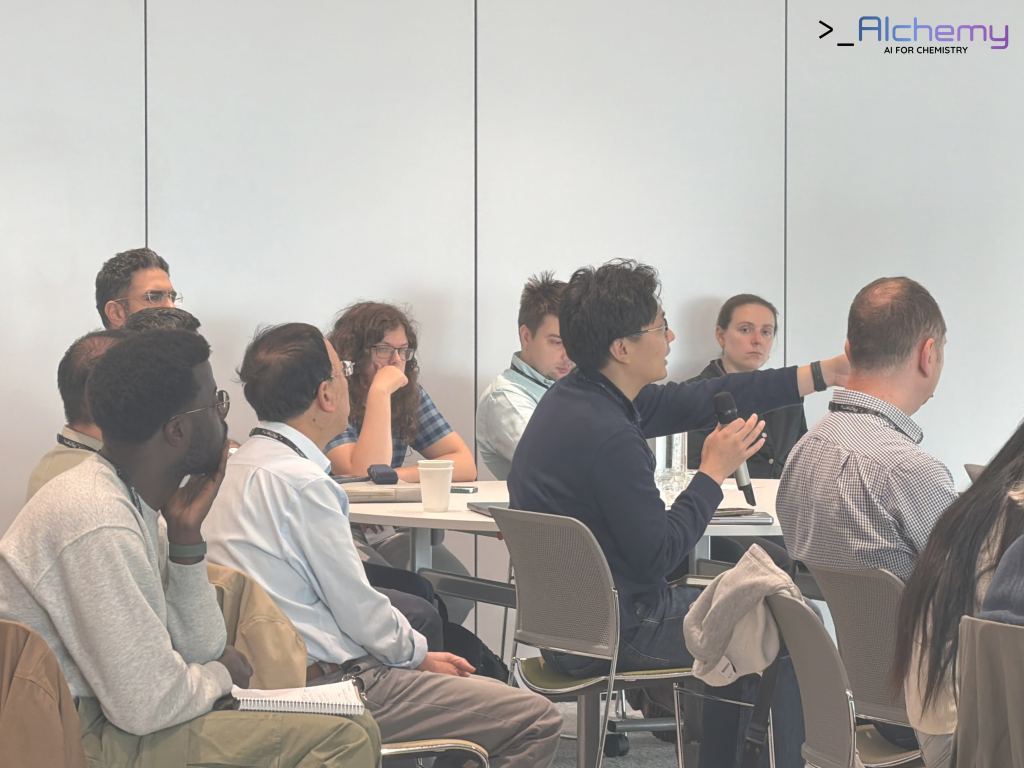
Thank you also to everyone who joined us in Liverpool and contributed questions, ideas and discussion. We hope delegates left with new connections, new perspectives and perhaps a few new ideas about where advances in artificial intelligence could take materials chemistry next.
If you would like to stay informed about upcoming AIchemy events, workshops, training and funding opportunities, subscribe to our mailing list or follow us on LinkedIn and Bluesky.
We look forward to seeing you at our next event!